Tattoo Aftercare Guide: Showering, Swimming, Sun and Healing
A practical tattoo aftercare guide for showering, peeling, sleep, exercise, swimming, Antalya sun and signs that need medical attention.

A new tattoo is an artwork and a healing skin wound at the same time. Good aftercare supports comfortable healing and protects the clarity of the design. The most important rule is simple: follow the written instructions given for your tattoo and dressing, because the method may change according to the body area, size, skin and type of protective film.
I am Asil Argun, a tattoo and visual artist working in Antalya since 2010. This guide answers the questions I hear most often about showering, protective film, peeling, exercise, sleeping, the sea, pools and sun. It provides general information, not a diagnosis or an individual treatment plan. If you are concerned about healing, contact your tattoo artist and a healthcare professional.
What to do during the first hours
Leave the dressing or second-skin film in place for the period your artist specifies. Different products have different instructions; do not copy the timing from another person's tattoo. Before touching the area, wash and dry your hands. If a film leaks, lifts enough to expose the tattoo, or causes an unexpected reaction, contact your artist for instructions rather than improvising a replacement.
A little redness, tenderness, warmth or clear fluid can occur after tattooing. The direction of change matters: ordinary early irritation should gradually settle rather than spread or become more painful.
How should a new tattoo be washed?
After the dressing is removed at the instructed time, clean the area gently with running lukewarm water and a small amount of mild, fragrance-free soap if this matches your artist's instructions. Do not scrub. Rinse carefully and pat dry with a clean disposable paper towel or allow it to air dry. A shared bathroom towel may carry dirt or bacteria and rubbing can irritate the surface.
Apply only a very thin layer of the product recommended for you. More product is not better: the skin should not remain covered by a thick, wet or greasy layer. Avoid alcohol, hydrogen peroxide, perfume, exfoliating products and unapproved home remedies.
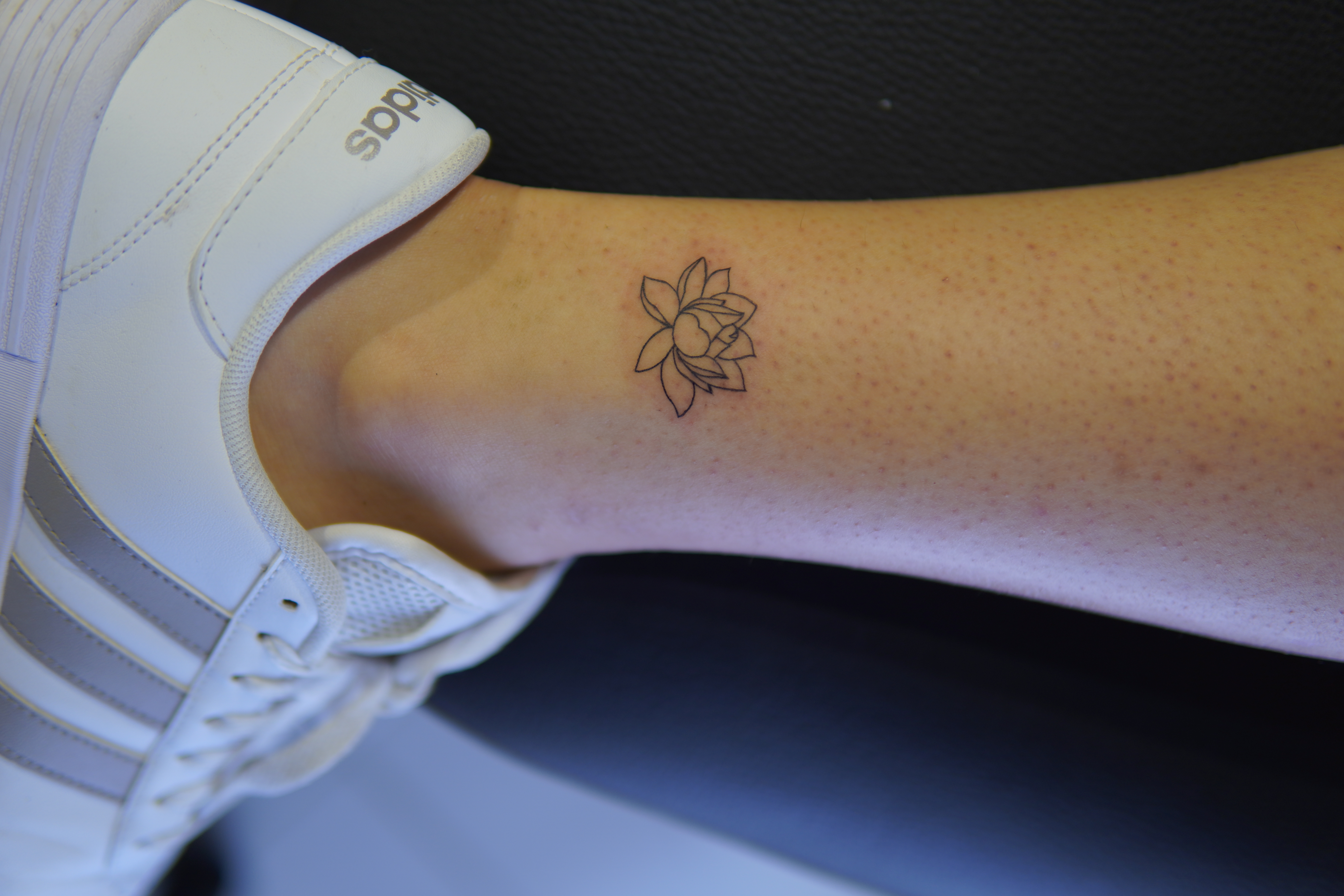
Can I take a shower after a tattoo?
A short shower is usually different from soaking, but the first shower and dressing removal should follow the specific instructions you received. Avoid very hot water, long showers and a strong jet directly on the tattoo. Afterward, pat the area dry—do not rub it.
Baths, pools, the sea, jacuzzis and saunas keep the area wet or expose it to chemicals and microorganisms. Public-health guidance recommends avoiding swimming and soaking until the tattoo has completely healed.
When can I swim in the sea or pool?
Do not use a calendar alone to decide. Wait until the tattoo is fully healed: there should be no open area, active peeling, scab, discharge or unusual tenderness. Healing time varies with size, placement, technique, skin and aftercare. Covering a fresh tattoo with sunscreen or a waterproof bandage does not turn swimming into a safe activity.
This matters in Antalya, where a tattoo appointment may be close to a beach holiday. The practical solution is to schedule the tattoo after the swimming part of the trip or leave enough flexible recovery time. Sea water, pool water, sand and prolonged dampness are not suitable for a fresh tattoo.
Peeling, itching and scabs: what is normal?
As the surface heals, mild itching, flaking and small scabs may occur. The tattoo can temporarily look dull or uneven. Do not scratch, peel or pull at the skin. Picking can reopen the surface, increase irritation and remove pigment from a healing area.
Use clean, loose clothing and reduce friction. If itching is intense, a rash develops, one ink colour becomes raised, or the reaction does not improve, contact the artist and a healthcare professional. Allergic and infectious reactions can look similar without an examination.
What should I wear and how should I sleep?
Choose clean, loose and breathable clothes that do not press or repeatedly rub the tattoo. Change sweaty or dirty clothing promptly. During the first nights, use clean bedding and avoid sleeping directly on the tattoo when possible. Do not let pets lick or lie against the healing area.
For a large piece or a location that constantly touches clothing, plan the first days before the appointment. Work uniform, tight sportswear, backpack straps and shoes can influence comfort and friction.
When can I return to sport?
Exercise can create sweat, stretching, friction and contact with shared equipment. The right pause depends on the tattoo's size and position as well as the activity. A small forearm tattoo and a large piece over a moving joint do not face the same conditions.
Follow your artist's advice, keep shared surfaces away from the tattoo and avoid activity that rubs, stretches or heavily sweats over the healing area. If the tattoo becomes more irritated after exercise, stop and reassess.
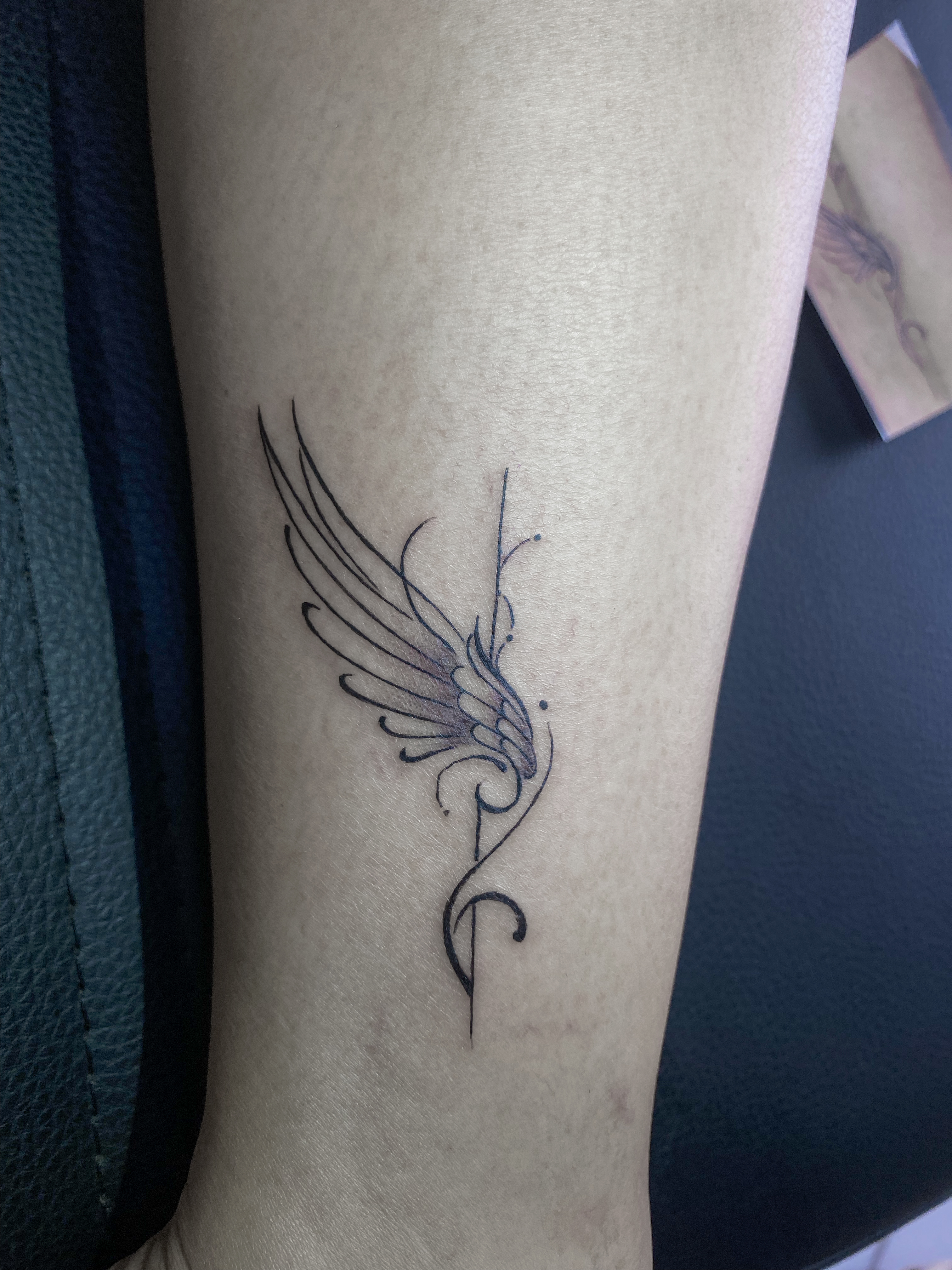
How should a fresh tattoo be protected from Antalya sun?
Keep a healing tattoo out of direct sun. Shade it with loose, clean clothing when practical. Do not apply sunscreen to an open or actively peeling surface unless a healthcare professional or your artist has specifically advised a suitable product.
After the tattoo has completely healed, regular broad-spectrum, high-SPF sun protection helps protect both the skin and the tattoo's appearance. Reapply according to the product instructions, especially after swimming or sweating. Sun protection is long-term care, not only a first-week rule.
A practical healing timeline
First days
Tenderness, mild redness and some clear fluid may occur. Keep hands clean, follow the dressing plan, wash gently and use only the recommended product.
Peeling stage
Dryness, light flaking, itching and small scabs may appear. Do not pick or scratch. Keep friction, sweat and soaking under control.
After the surface looks healed
The surface may settle before deeper layers are fully recovered. Continue gentle care and do not rush swimming or intense sun exposure. The final appearance becomes easier to judge after healing has stabilised.
These are stages, not guaranteed dates. Your artist's written plan and the actual condition of your skin are more useful than a rigid online calendar.
What should be avoided while the tattoo heals?
- Touching the tattoo with unwashed hands.
- Picking, peeling or scratching scabs and flakes.
- Baths, pools, sea swimming, jacuzzis, saunas and prolonged soaking.
- Direct sun and tanning beds.
- Tight, dirty or abrasive clothing.
- Heavy friction, excessive sweating and contact with shared gym surfaces.
- Alcohol, peroxide, perfumed products, scrubs and unapproved ointments.
- Letting pets touch or lick the tattoo.
When should I seek medical help?
The American Academy of Dermatology notes that some redness, swelling, soreness, clear fluid, itching and flaking can be part of normal healing. Seek prompt medical assessment if redness becomes darker or spreads instead of reducing, pain worsens, pus or open sores appear, or you develop fever, chills or shaking. Do not try to diagnose or treat an infection through social media.
A reaction with trouble breathing, chest tightness, dizziness, intense swelling, severe pain or widespread hives requires immediate medical care. Tell the tattoo artist as well; information about the ink brand, colour and batch may be useful to the healthcare professional.
Frequently asked questions
Can I put cling film back on at home?
Do not rewrap or replace a professional film unless your artist has told you exactly how and with what product. An unsuitable seal can trap moisture and contamination.
Can I use moisturiser every time the tattoo feels dry?
Use only the recommended, fragrance-free product in a thin layer and according to your instructions. Over-application can keep the surface excessively wet.
When can I shave over the tattoo?
Wait until the skin is completely healed, with no scab, peeling, open area or tenderness. Shaving a healing surface can cut or irritate it.
Does a tattoo always need a touch-up?
No. A touch-up is assessed only after healing is complete. The need depends on how the skin has healed, the design and the artist's evaluation.
Plan the appointment around your real schedule
If you have a beach holiday, sports event, physically demanding work or prolonged sun exposure planned, mention it before booking. Placement and date can then be chosen more realistically. Read the first tattoo guide, review the tattoo price guide, explore tattoo work or request an appointment in Antalya.
Health references
- American Academy of Dermatology: tattoo skin reactions and infection signs
- U.S. FDA: tattoo safety and what to do about a reaction
- Healthdirect Australia: tattoo aftercare
- Better Health Channel Victoria: tattoos and aftercare
Ready to plan a tattoo? Send the idea, approximate size, placement and reference images through the appointment form. Your individual aftercare plan will be explained after the session.