First Tattoo Guide: 12 Questions Before Your Appointment
Your first tattoo should begin with good questions. This practical guide covers design, artist choice, hygiene, pain, pricing, preparation, healing and long-term care.

A first tattoo is exciting, but the best results rarely begin with a rushed decision. They begin with a clear idea, an honest conversation and a studio where artistic quality and hygiene are treated as equally important. This guide answers the questions I hear most often from people planning a first tattoo in Antalya.
I have worked across painting, tattooing and mural art since 2010. That background shapes how I approach the body: not as a flat page, but as a moving form. Whether you want fine line, realism, a sleeve or a small symbolic piece, the goal is the same—an original design that belongs to you and sits naturally on your body.
1. How should I choose my first tattoo idea?
Start with meaning, mood and visual language rather than trying to find a finished image immediately. Ask yourself what you want to remember, express or simply enjoy looking at. A good brief can be as simple as “quiet, minimal and botanical” or “a realistic portrait with dramatic contrast.” Reference images are useful for explaining atmosphere, line weight, composition and detail, but they should not become a request to copy another artist’s work.
Save only a few references and note what you like in each one. This gives the artist space to create instead of assembling a collage of unrelated elements.
2. How do I choose the right tattoo artist?
Look beyond follower counts. Study whether the artist’s portfolio shows consistent line quality, smooth shading, readable composition and work relevant to your desired style. If healed examples are available, examine those too: a fresh tattoo and a healed tattoo do not look identical.
Equally important is communication. You should be able to ask questions, understand the process and say when something does not feel right. My tattoo portfolio includes different scales and styles because each project is designed around the person, placement and story.
3. Custom design or a copied image?
A reference is a direction; a custom tattoo is the destination. Copying another person’s tattoo exactly ignores both authorship and your own anatomy. Proportions that work on one arm may not work on another. In a custom process, the idea is redrawn for the chosen area, adjusted for movement and simplified where necessary so it can remain readable over time.
You can read more about this in my custom tattoo design process.
4. How do placement and size affect the result?
Placement changes the design. Curves, joints, muscle direction, sun exposure and everyday friction all matter. Very small details have less room to age gracefully, while a slightly larger composition may breathe and remain clearer. Before the stencil is approved, look at the tattoo from a normal standing distance—not only in a close-up photograph.
For a first tattoo, choose a location you are comfortable caring for and living with. The “best” placement is the one where the idea, your lifestyle and the body’s flow agree.
5. Does getting a tattoo hurt?
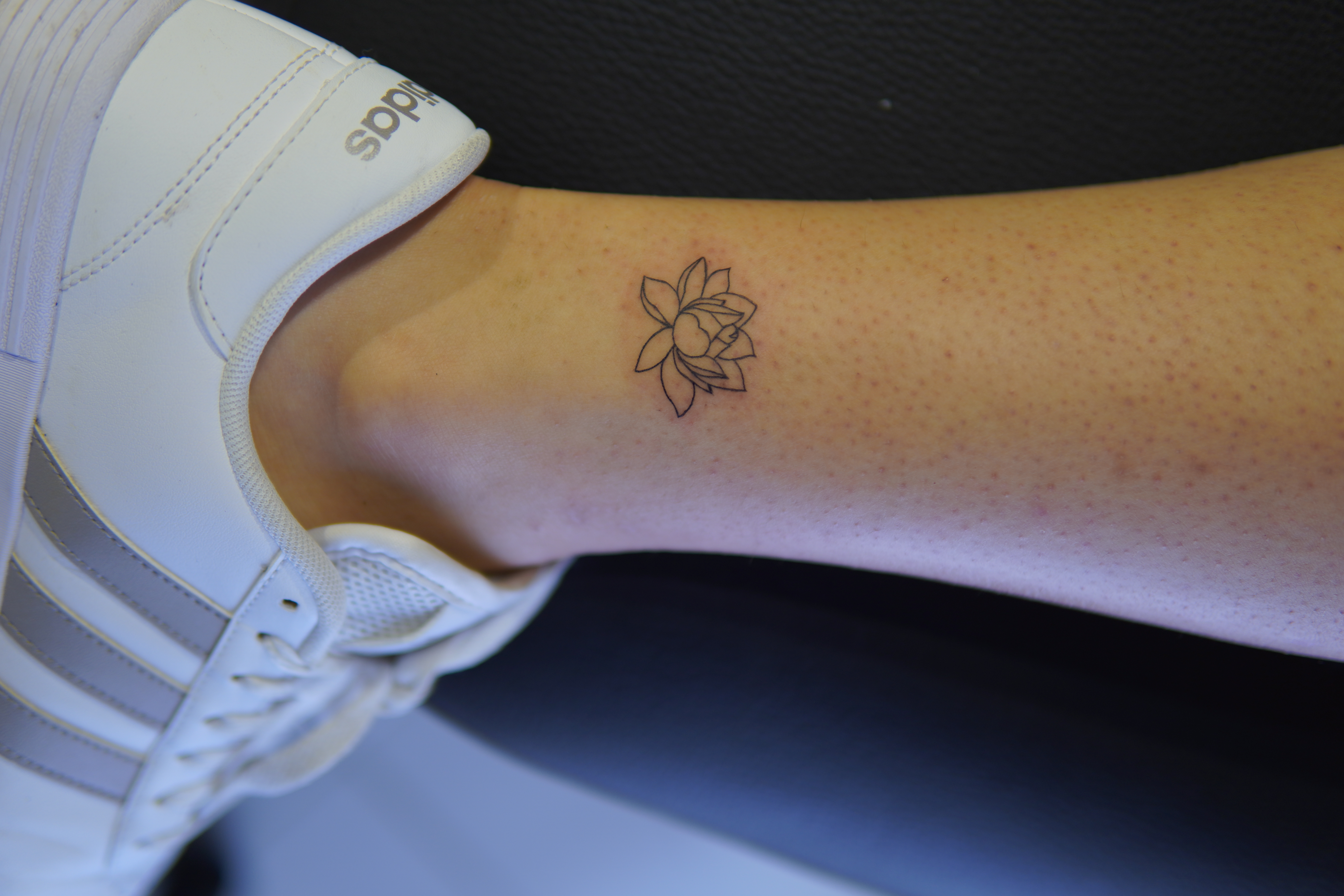
Pain is personal. Placement, session length, needle grouping, sleep, stress and individual sensitivity all change the experience. Areas with less padding or many nerve endings can feel more intense, but there is no universal pain chart that predicts exactly what you will feel.
Most people manage a planned session well when they arrive rested, have eaten and communicate openly. Do not hide discomfort; short breaks can be discussed during the appointment.
6. How is tattoo pricing calculated?
Price is not calculated by centimetres alone. It reflects design time, sterile single-use materials, setup, placement difficulty, detail, style and the expected session length. A tiny but technically demanding tattoo can require more precision than a larger simple form.
At Asil Argun Art & Tattoo Studio, the normal opening minimum is 2,000 TL. Send the idea, approximate size, body placement and reference images so the studio can provide a realistic estimate.
7. What should I check about studio hygiene?
Ask direct questions. The artist should use fresh gloves, sterile needles opened for the client, single-use ink caps and properly protected or disinfected work surfaces. Reusable equipment must be sterilized with appropriate procedures. The US Food and Drug Administration notes that both unsterile equipment and contaminated ink can create infection risks, while Mayo Clinic advises choosing a trained studio that follows proper sterilization and disposable-material practices.
A clean appearance alone is not enough; the process should be explainable and visible. If you feel rushed or cannot get a clear answer, pause the appointment.
8. How should I prepare before the appointment?
Sleep well, eat a normal meal and drink water. Wear clean, loose clothing that gives easy access to the area and will not rub tightly afterward. Avoid arriving intoxicated, and do not use alcohol or drugs to manage anxiety. Bring identification and allow enough time so the session is not squeezed between other plans.
If you have a skin condition, allergy, tendency to form keloids, take medication, are pregnant, have an immune-system condition or are unsure whether tattooing is appropriate for you, speak with a qualified physician beforehand and tell the artist. A tattoo artist cannot replace medical advice.
9. What happens during the appointment?
We first confirm the design, scale and placement. The stencil is positioned and reviewed while you stand naturally. This is the moment to request an adjustment. After the setup, the skin is prepared and the tattoo begins. During the session, communicate if you feel dizzy, unwell or need a break.
At the end, the tattoo is cleaned, protected according to the method chosen for the work and you receive aftercare instructions. Follow the instructions given for your specific tattoo and covering.
10. What does early healing and aftercare involve?
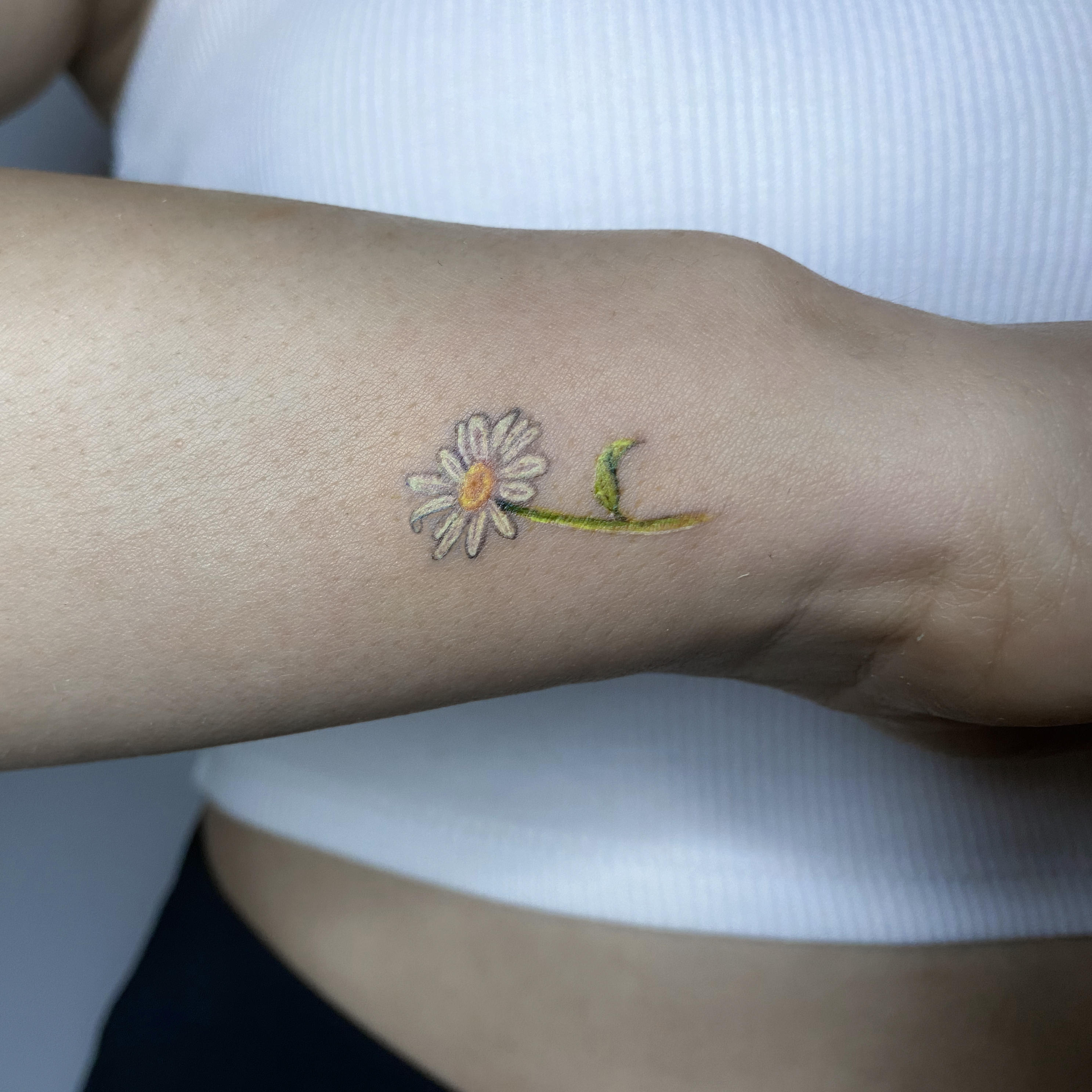
Aftercare depends on the tattoo and dressing, so your artist’s instructions come first. In general, reputable medical guidance recommends gentle washing, patting dry rather than rubbing, applying a suitable light moisturizer when advised, and wearing clothing that does not stick to the area. Do not pick flakes or scabs.
Avoid soaking the tattoo in pools, the sea, hot tubs or baths while it is healing, and protect it from direct sun. Healing is gradual; the surface can look settled before deeper layers have fully recovered. Clean hands and patience matter more than using many products.
11. What is normal, and when should I seek medical help?
Mild redness, tenderness, clear fluid, itching, flaking and light scabbing can occur during normal early healing. However, worsening pain, spreading or darkening redness, skin that feels increasingly hot, pus, bad-smelling drainage, red streaks, open sores, fever or chills require medical attention. The American Academy of Dermatology advises seeking medical care for signs such as spreading redness, worsening pain, fever, chills, pus or open sores.
Do not ask social media to diagnose a possible infection or allergic reaction. Contact a physician or dermatologist promptly. This article provides general education, not diagnosis or treatment.
12. Will I need a touch-up, and how do I protect the tattoo long term?
A touch-up is not automatically required. It depends on healing, placement, technique and aftercare. Wait until the tattoo is fully healed before judging small gaps or softened areas, then share clear photographs with the artist.
Long term, moisturize dry skin and protect healed tattoos from ultraviolet exposure. The American Academy of Dermatology recommends broad-spectrum, water-resistant SPF 30 or higher on healed tattooed skin. Avoid tanning beds. Also remember that tattooing over a mole can make changes harder to notice; discuss suspicious or changing marks with a dermatologist rather than covering them.
Ready to discuss your first tattoo in Antalya?
Send your idea, preferred style, approximate size, placement and two or three references. We can shape the concept together and decide whether fine line, realism, a larger sleeve plan or another approach best serves it. Explore the tattoo portfolio or request an appointment.